

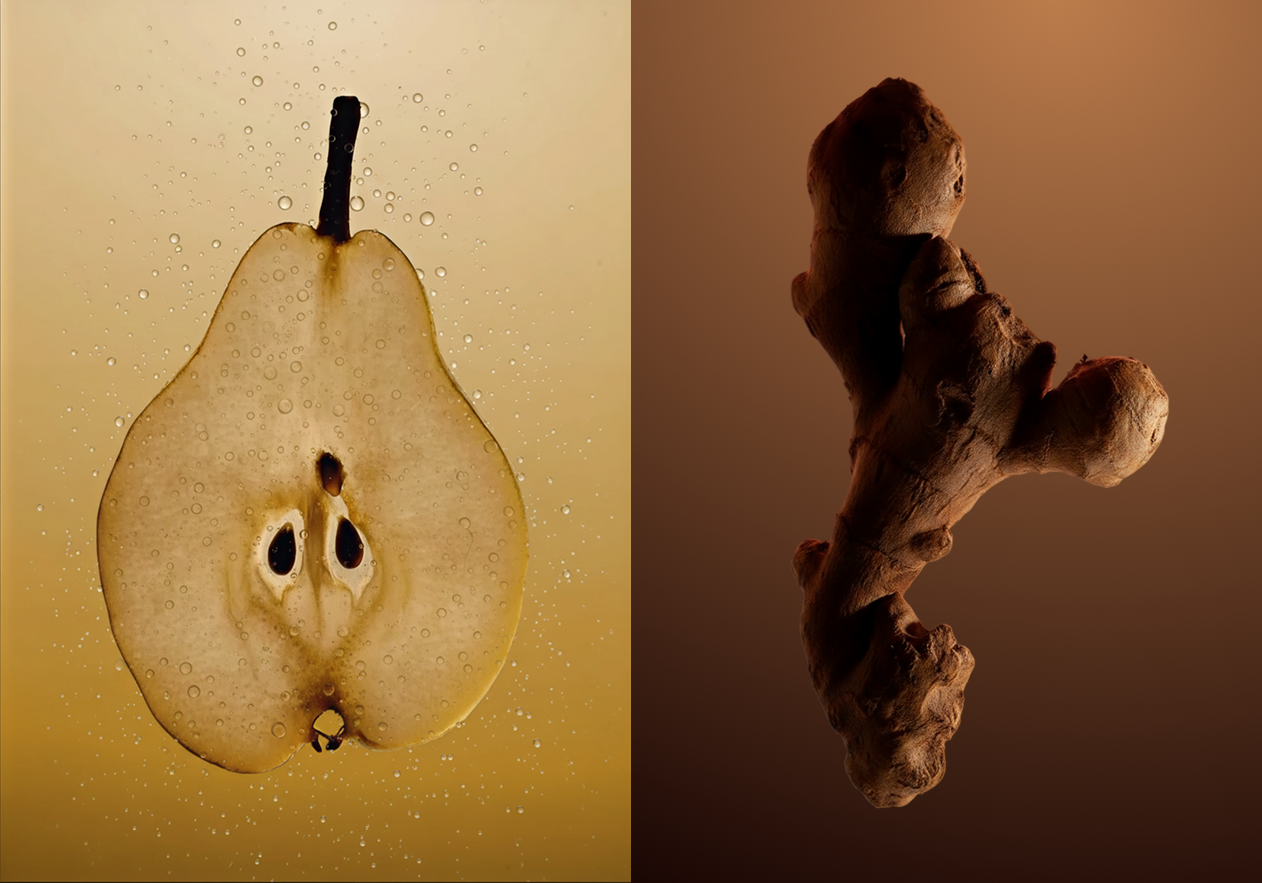
What does natural mean to you?
Natural. Plant-based. Organic - all statements we’re used to seeing in the wellness industry and beyond. Statements designed to build trust, transparency, and connect us back to the source, and back to the wonders of nature.
But many of the products carrying these labels are built on highly processed extracts, isolated compounds, and natural ingredients that bear little resemblance to the plants they came from.
Where do we draw the line here? When does a beetroot stop being a beetroot?
The extract economy
For decades, the model has been simple: Find the active compound. Extract it. Concentrate it. Sell the benefit.
Green tea = catechins. Turmeric = curcumin. Beetroot = nitrate powder. It works. Extracts are potent, standardised, easy to dose, and easy to sell. But potency isn’t the same as nourishment. Because food isn’t built around a single compound. It’s built on relationships. Fibre, enzymes, minerals, phytonutrients, all working together. Nature rarely deals in isolates.
More isn’t always better
We’ve been trained to think in actives. More vitamin C. More antioxidants. More beta-glucans. But an orange isn’t vitamin C. A blueberry isn’t anthocyanins. A mushroom isn’t just beta-glucans. They’re living systems. And when we reduce them to a single compound, we don’t just simplify — we strip away context. Complexity. Even a bit of the magic.
Food becomes functional. Not food.
This isn’t to say extracts don’t work. Many do. But have we become too focused on what we can isolate — and not enough on what we leave behind?
Getting closer to the source
The most interesting wellness brands aren’t chasing stronger extracts. They’re moving closer to the source. Take Rheal Superfoods. Blending mushrooms, berries, greens, and botanicals in forms you can recognise. Less about the “hero molecule,” more about the whole picture.
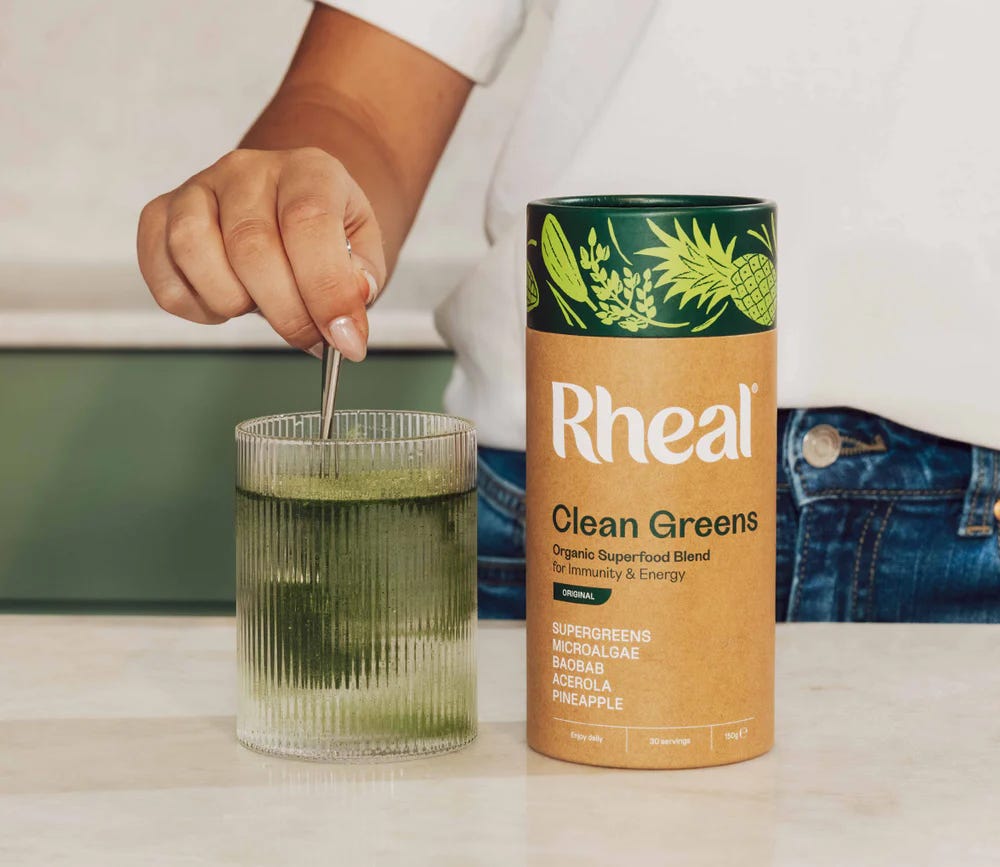
And they’re not alone. We’re seeing a shift toward freeze-dried fruits, algae, herbs, and minimally processed ingredients — products that feel closer to something grown, not engineered.
Returning to the whole
For a long time, whole-food supplements were seen as less scientific. Less precise. Less effective. That story is starting to change. The more we learn, the more wonder we discover in our natural world, reminding us that nature’s intelligence often lives in relationships, not isolated parts.
The future of supplements isn’t about isolating more. It’s about reconnecting to nature and discovering the rich complexity of simple, raw, whole foods.
Cover image created with Nano Banana (not a natural ingredient).